
Our approach
A Buddhist-inspired, non-12-step approach that welcomes 12-step members
We combine mindfulness and a calm daily rhythm with practical CBT and DBT skills, group therapy and psychoeducation. We do not run a 12-step program, but residents who attend AA, NA, SMART or Recovery Dharma are fully supported.
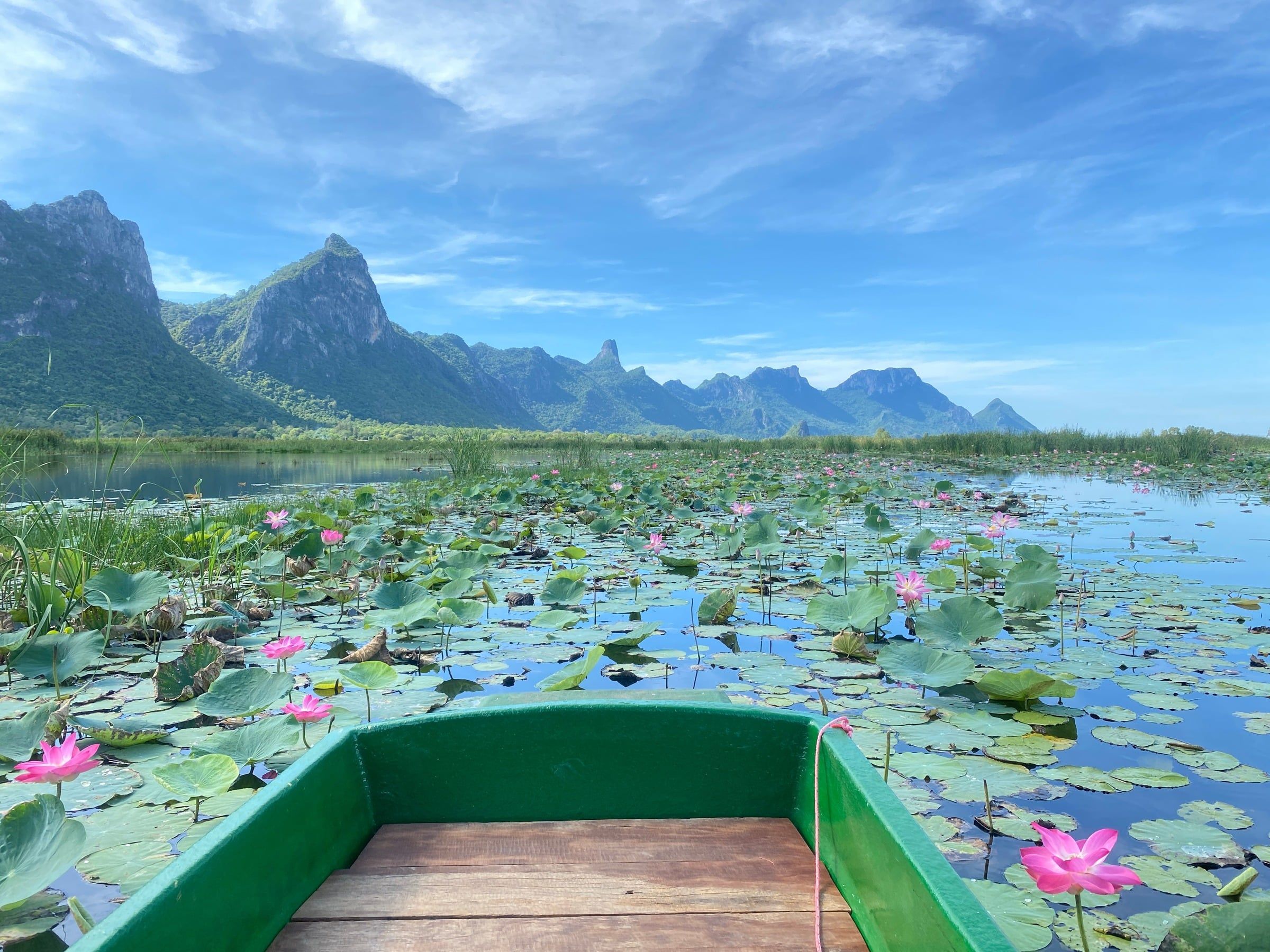
- Mindfulness
- Buddhist-inspired, part of every morning
- CBT & DBT
- Practical skills for thoughts, emotions and relationships
- Community
- Group therapy and shared daily life
- Non-12-step
- AA, NA, SMART and Recovery Dharma welcome
Buddhist-inspired
Mindfulness, rooted in where we live
Our approach focuses on intentional growth, awareness and community. It empowers residents to change and, we hope, to experience a spiritual awakening: a deep shift in how you see yourself, your purpose and your connection to the people around you.
Thailand is a predominantly Buddhist country, and there are two temples close to The White Room. Thai people also show many of the qualities at the heart of our work: respect, self-control and a calm, non-confrontational manner.
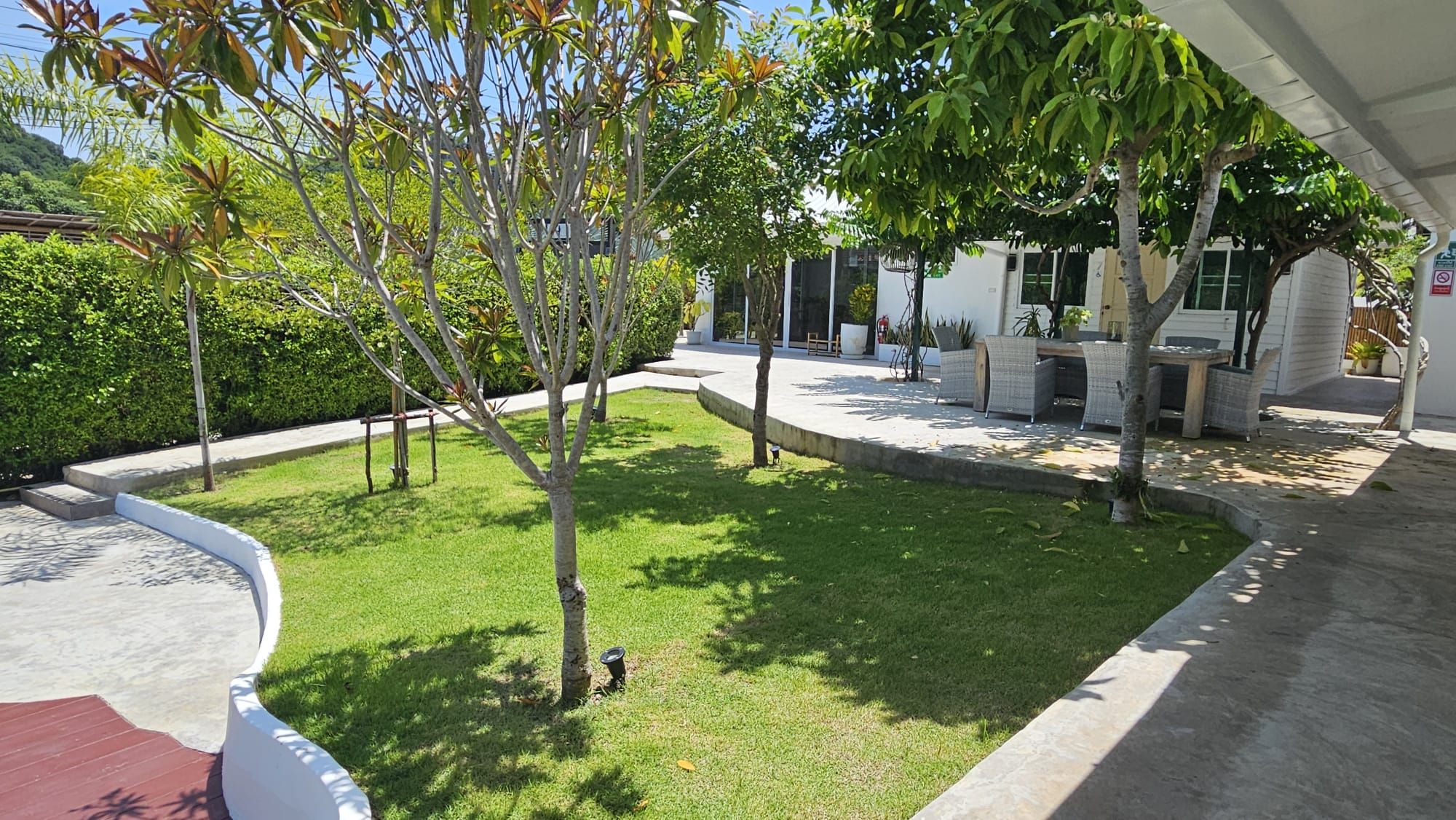
Skills, not just insight
Practical skills: CBT and DBT
Cognitive behavioural therapy (CBT) helps you notice and re-evaluate unhelpful thinking patterns. When you change how you think about a situation, you change how you feel and what you do, and you learn to respond to life rather than react to it.
Dialectical behaviour therapy (DBT) builds self-awareness through four skills:
“We suffer more often in imagination than in reality.”
Mindfulness
Paying attention to the present moment, so you notice thoughts and urges before they take over.
Emotional regulation
Understanding and managing strong emotions instead of being ruled by them.
Interpersonal effectiveness
Communicating clearly, setting boundaries and keeping relationships healthy.
Distress tolerance
Getting through painful moments and cravings without making things worse.
Routine and structure
Why routine matters in recovery
Inconsistency is one of the hallmarks of addiction: broken plans, irregular sleep, days that happen to you. Recovery asks for the opposite. A healthy routine helps you form new habits and build the discipline that personal growth depends on.
The brain keeps adapting throughout life, often called neuroplasticity, and repeating healthy habits over time is one of the ways new patterns can take hold. [Fred to approve this paragraph – TBC]
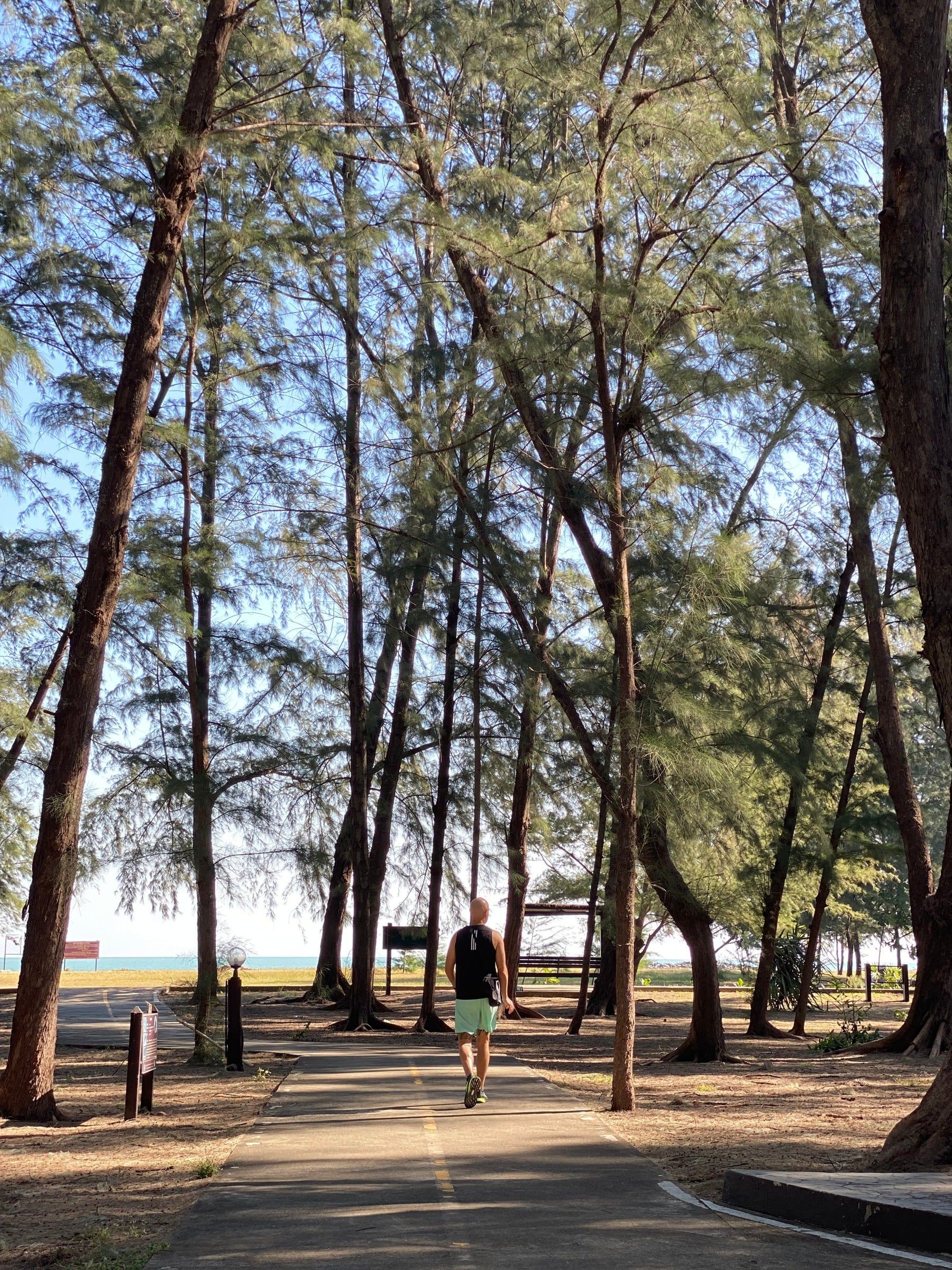
Connection
Recovery happens with other people
In group therapy, residents learn from each other’s experience and practise honesty in a safe setting. Psychoeducation classes explain how addiction works and what helps recovery last.
In one-to-one counselling with Fred, you work on your own story, patterns and goals. Together, these help you build the relationships and communication skills that draw people closer rather than pushing them away.
Who else we welcome
Support groups we welcome
We are not a 12-step facility, but we actively encourage residents to join support groups. If you need help working the steps, Fred is available to guide you.
Alcoholics Anonymous
The original 12-step fellowship for people recovering from alcohol.
Narcotics Anonymous
A 12-step fellowship for recovery from drug addiction.
SMART Recovery
A self-empowering, science-based approach to change.
Recovery Dharma
Peer support that uses Buddhist practice and meditation.
Questions about our approach
Short answers to what people ask most about how we work.