
Our program
Aftercare program in Hua Hin: structure, skills and support
A steady daily rhythm, practical CBT and DBT skills, group therapy and one-to-one counselling with addiction counsellor Fred Atkinson, for adults with at least two months in recovery.
Sober living with structure
A bridge between rehab and everyday life
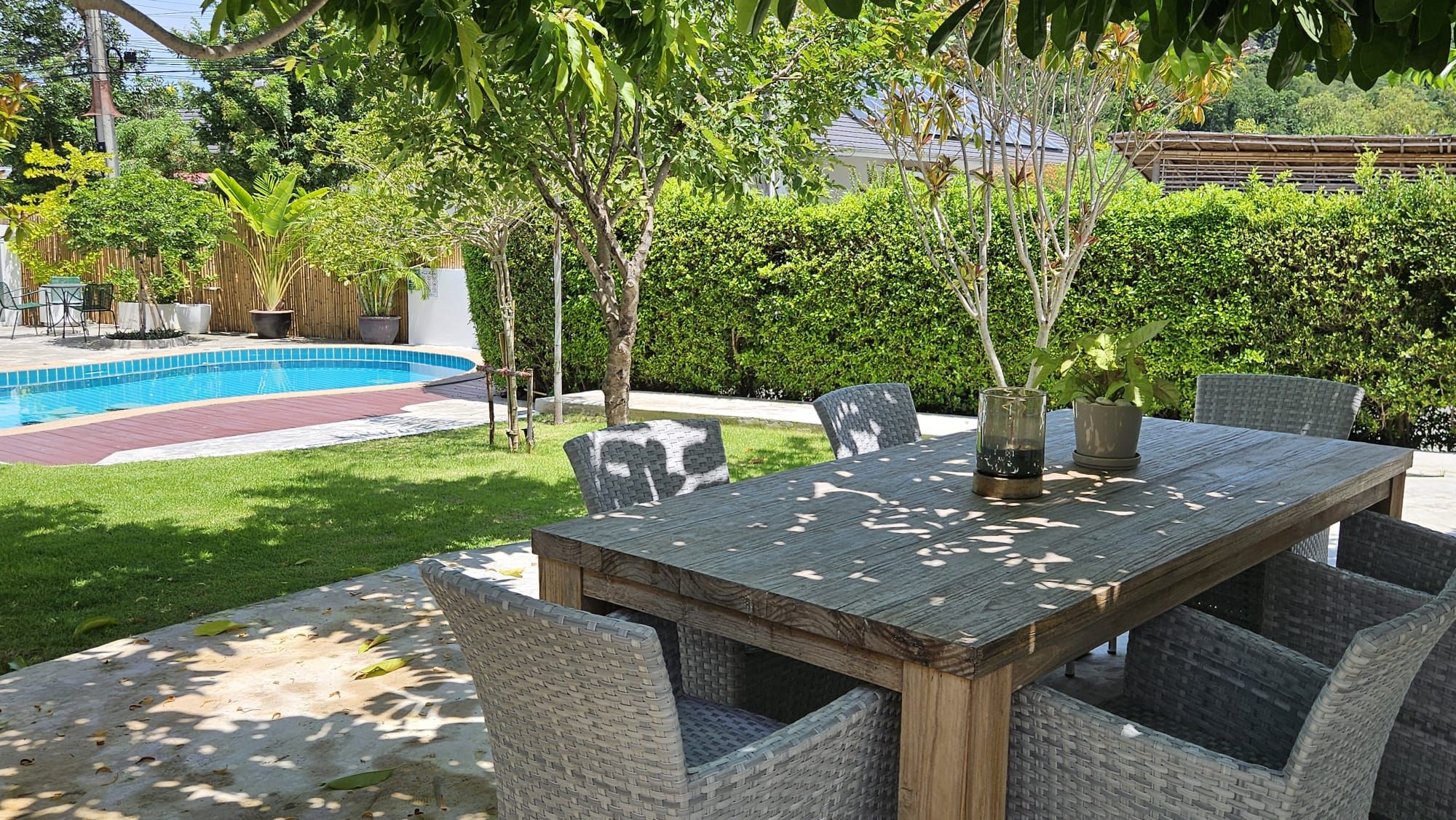
The White Room is a sober living residence with six private bungalows in Khao Tao, Hua Hin. Our program is for adults who have already started their recovery and want structure, community and continued growth before, or instead of, going straight back to everyday life.
A healthy daily routine, education and life-skills training help residents not only stay sober but build full, purposeful lives.
Who it's for
Who is the program for?
Residents arrive at different points in their recovery. What they share is a wish to keep growing.
You have finished primary care
You have completed rehab and want time and support before going back to everyday life.
A big life change is coming
A move, a loss, a new job or the end of a relationship could put your recovery under pressure.
You feel stuck in your recovery
You are sober but standing still, and want more education and tools to keep growing.
You got sober in support groups
Meetings got you here, and now you would like more structured help to move forward.
You want community
You are looking for connection with people who understand recovery from the inside.
You need a rest or a reset
You want a calm, sober pause before returning to a busy life.
Daily rhythm
A typical day
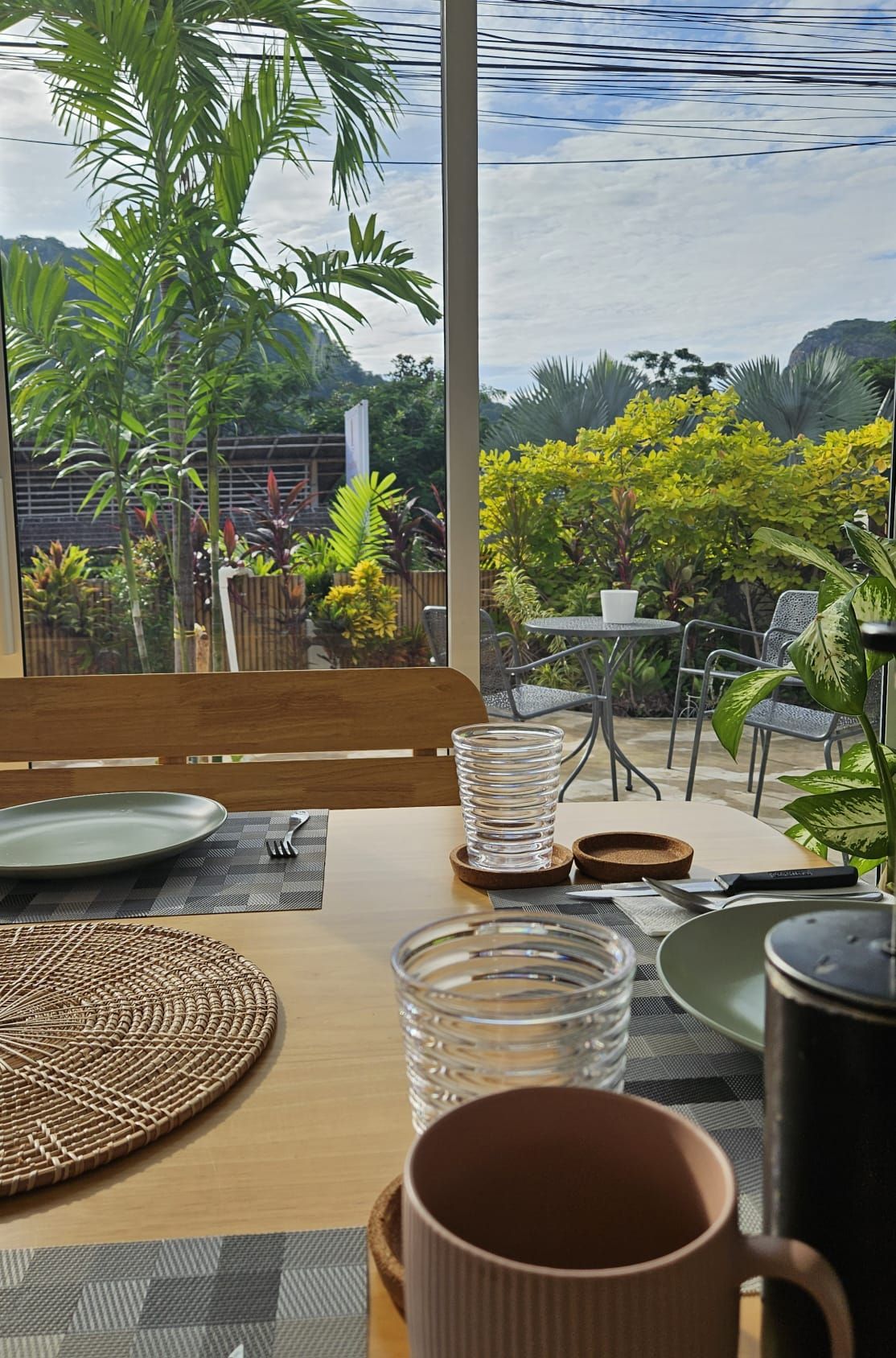
Every morning starts at 6 am with a walk on the beach or around the lake, yoga or meditation. Journaling and gratitude follow, then breakfast together before the day begins.
| When | What happens |
|---|---|
| 6:00 am | Beach or lake walk, yoga or meditation |
| Early morning | Journaling and gratitude |
| Morning | Breakfast together (provided) |
| Late morning | [morning sessions and times – TBC] |
| Midday | Lunch (provided) |
| Afternoon | [afternoon schedule – TBC] |
| Evening | [evening schedule and dinner arrangements – TBC] |
Weekly structure
What happens each week
We mainly teach cognitive behavioural therapy (CBT) and dialectical behaviour therapy (DBT), alongside group therapy, psychoeducation, one-to-one counselling and life-skills training. Each week also leaves time to rest, swim, explore Hua Hin and attend outside meetings.
We are confirming the exact weekly timetable and will publish it here.
| Part of the week | How often |
|---|---|
| Morning routineWalk, yoga or meditation, journaling and gratitude | Every day, from 6 am |
| Group therapySharing, listening and learning with the other residents | [frequency – TBC] |
| Psychoeducation classesHow addiction works and what helps recovery last | [frequency – TBC] |
| One-to-one counsellingPersonal sessions with addiction counsellor Fred Atkinson | [frequency – TBC] |
| Life-skills trainingPractical skills for independent, sober living. Topics: [list of life-skills topics – TBC] | [frequency – TBC] |
| Support group meetings | [frequency and transport – TBC] |
| Free time and weekends | [free-time arrangements – TBC] |
Your stay
How a stay unfolds
Every stay is personal, but most follow a similar arc from settling in to getting ready for life outside.
Arriving and settling in
You move into your own bungalow, get to know Fred and the other residents, and learn the rhythm of the day.
Building skills and habits
The routine becomes your own. You practise CBT and DBT skills, take part in group work and do the deeper personal work in one-to-one sessions.
Preparing to leave
The focus turns to independent life: practical plans, support groups at home and the habits you will keep.
Phase names and typical durations: [phases of a stay – TBC]
Aftercare
When you leave
The aim of a stay is to go home with tools you can keep using: CBT and DBT skills, a morning routine you trust and a connection to support groups wherever you live.
Support after your stay: [aftercare offer, e.g. check-ins or online sessions – TBC]